
<comprehensive_research_planning> </comprehensive_research_planning> Embarking on a career in the pipefitting trade in Seattle, WA, in 2025 requires a deep understanding of the educational requirements, licensing processes, and salary expectations, alongside familiarity with the evolving market trends in the industry. For more details on opportunities, visit the UA Local 32 website or explore apprenticeship programs.
Pipefitting involves the installation and maintenance of piping and tubular systems that convey water, gas, steam, or chemicals. In Seattle, this trade is crucial for the construction, maritime, and industrial infrastructure sectors. Pipefitters in Seattle work in diverse settings, from shipyards to commercial buildings, ensuring systems are efficient, safe, and compliant with standards 1. For additional resources, check out future trends in pipe manufacturing.
Licensing requirements in Seattle vary depending on the specific trade focus. While plumbers require a specific plumbing license from the State of Washington, those in HVAC/Refrigeration may need an electrical license 2. Licensing ensures professionals meet stringent safety and technical standards, offering legal recognition and consumer protection.
According to the Washington State Department of Labor & Industries, obtaining a Workers Compensation Coverage is mandatory for any individual employing others or themselves in a business. Additionally, local municipalities in Seattle might have additional licensing needs based on the specific field such as piping in the marine sector 1. Learn more about apprenticeship salaries.

To be a pipefitter in Seattle, WA, in 2025, the key is to enter through an apprenticeship or specialized training program.
Apprenticeship Programs: Entities like UA Local 32 offer well-structured apprenticeship programs, blending classroom and on-the-job training. These rigorous programs span four to five years, comprising about 8,000 hours of instruction and experience31. You can apply directly via the UA Local 32 website.
Marine Pipefitter Training: Seattle Area Pipe Trades Apprenticeship provides specialized training tailored for those seeking a career in maritime pipefitting, reaffirming the need for diverse skill sets in this trade, especially relevant for Seattle's proximity to marine environments 2. Details are available on the Seattle Utilities careers page.
Continuing Education and Certification: Post-apprenticeship, individuals often pursue ongoing training and certifications to stay current with technological advancements and safety protocols integral to the trade 4.
Educational Requirements: While a college degree is not mandatory, foundational knowledge from high school or vocational programs can be advantageous during apprenticeships 5. Experience of over 10 years is common among seasoned pipefitters in engineering firms in Seattle like Delphinus Engineering 5.
Here’s a look at the core requirements and training duration needed for pipefitting trade careers in Seattle:
| Training Component | Duration | Description |
|---|---|---|
| Classroom Training | 4-5 years | Theoretical instruction in a range of pipefitting topics |
| On-the-Job Experience | 4-5 years | Hands-on experience in installation, repair, and maintenance |
| Specialization Training | Optional additional time | Tailored education in marine or other specific pipe systems |
| Certification | Varies | Optional or required certifications to specialize or succeed |
Cost variations depend on the specific educational route taken when pursuing a career in this trade. Apprenticeships through organizations like UA Local 32 often facilitate structured learning combined with a wage during training periods, making this an economically viable option. Tuition fees for additional certifications may be borne personally or supported by employing organizations. 6. For salary benchmarks, visit ZipRecruiter.
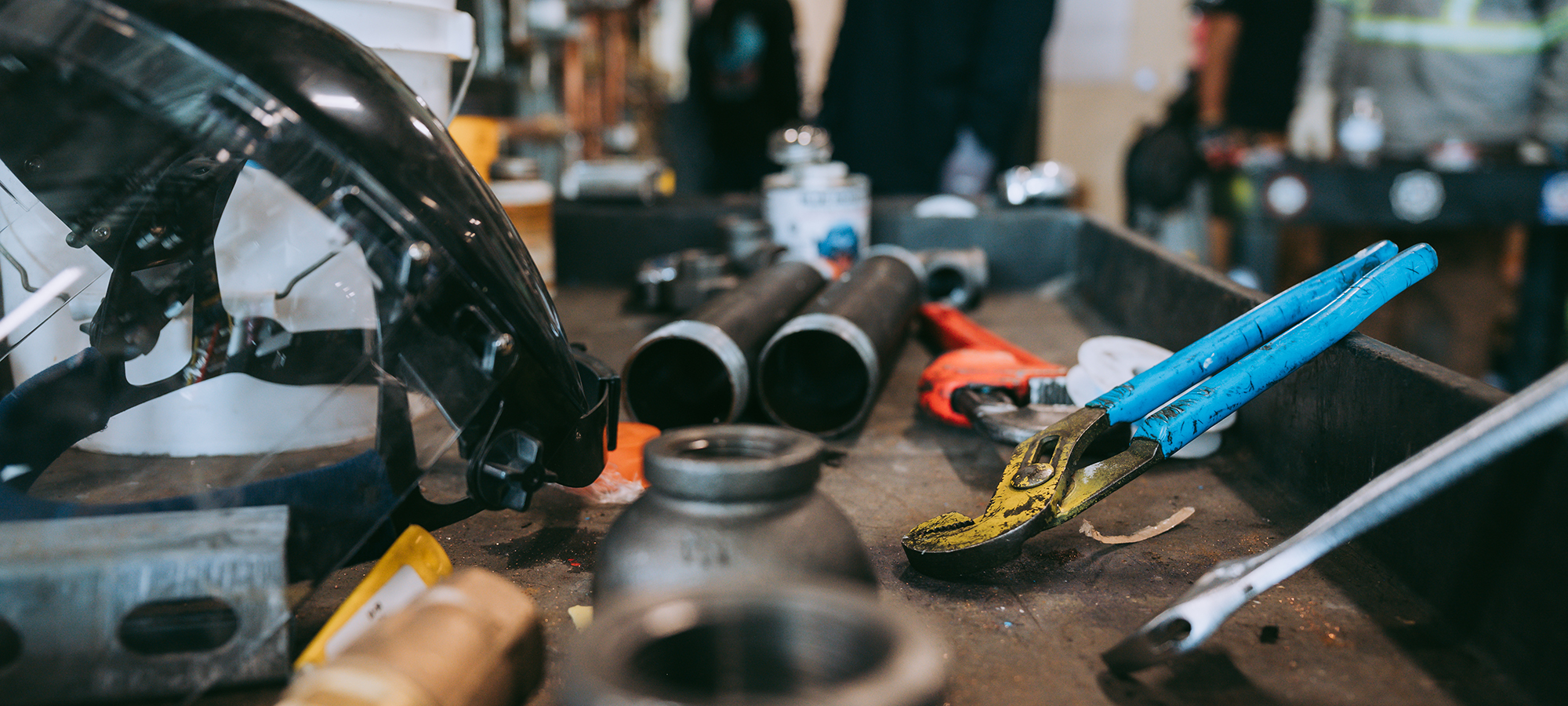
Outside of training costs, requiring personal gear and safety equipment including gloves, goggles, boots, and appropriate clothing, exist which can amount to a one-off setup cost. However, factoring in potential earnings and clear career progression from an apprentice average wage of $32.60/hour, expectations for cost-offset are favorable 7.
The financial aspect of a pipefitting career is promising in Seattle. Based on current data, here are annual and hourly earnings insights:
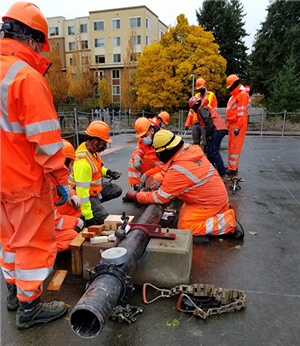
Meet Basic Entry Requirements: Prospective apprentices are generally required to:
Enroll in a Pipefitting Program or Apprenticeship: Multiple pathways lead to the acquisition of necessary skills:
Secure Employment: Successful completion of apprenticeships opens doors to pipes, pipe systems, and equipment installations jobs with opportunities in construction, public utility companies, etc. More jobs can be found on Gild's job listings.
Pursue Certifications: Obtain certifications relevant to specialized segments like HVAC, marine, or plumbing sectors within pipefitting. These certifications can significantly influence career elevation and earning potential. 4. Check future manufacturing trends for more.
Pipefitting holds a positive job outlook in Seattle. As of 2025:
[In Seattle] 28-32 pipefitter job openings, galloping demand fingers the pulse of positive advancements in earning capabilities based on expertise levels. Average Journeyman stats unlock strong earning capabilities around $36.60/hour plus, potentially.
With rise anticipated in areas like smart building deployment, eco-friendly tech adaptation, and continued focus on shipping / maritime maintenance, the demand curve shows green signals rivaling and possibly surpassing other cities' projections 94. Explore plumbing innovations for insights.
While careers in this trade are rewarding, certain risks and hurdles pop up:
Technological adaptation heavily shaping the future including - adoption of IoT systems for real-time leak detection, automation’s improving proactive maintenance capabilities through AI for manufacturing, thereby intensifying customization and smart smart piping systems popularity. These tools aim to add benefits such as reduced downtime, more optimal system design, predictive needs etc. 96.
For the educated and flexible workforce, smart technologies and green innovations presage open lanes for progressive careers and roles, creating a future of robust intersections with other engineering fields. Aspiring professionals should always keep learning attire steeped in plumbing trends and pipe manufacturing insights.
Armed with hands-on expertise, technological adaptation skills, safety awareness training, and licensing, pipefitting could be:
Start scouting relevant apprenticeships and assessments now on Gild if you’re eager to join finding available openings at Apply Here for example. Don't forget to check Seattle's apprenticeship options and UA Local 32 to get started today.
The market looks bright for skilled tradespersons in Seattle, banks cascading with opportunities to connect seaward vessels, skyscrapers and industrial parks with efficient piping ecosystem setups. Start your 2025 journey by aligning with the training, communities, gigs, and innovations that dots this ever-lucrative field.
https://www.portseattle.org/faq/seattle-area-pipe-trades-apprenticeship ↩ ↩2 ↩3
https://jobs.buildsubmarines.com/jobs/387695014-pipefitter-iii-at-delphinus-engineering ↩ ↩2 ↩3
https://www.lni.wa.gov/licensing-permits/apprenticeship/_docs/0405.pdf ↩
https://www.portseattle.org/faq/seattle-area-pipe-trades-apprenticeship ↩ ↩2 ↩3
